Posted on 9/29/2026
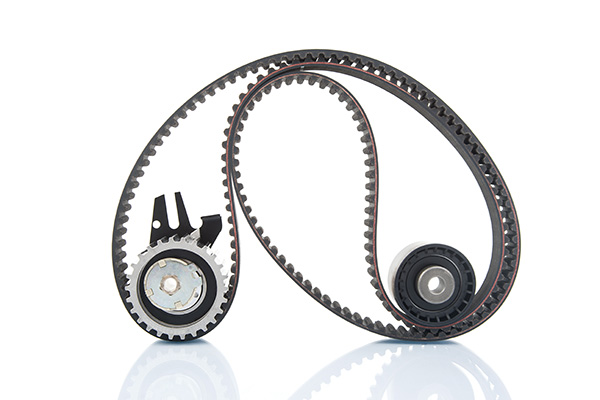
A timing belt estimate might list a belt, a tensioner, two pulleys, and a water pump. If you were expecting one rubber belt, that parts list can look excessive. A second estimate with fewer lines can seem like the same job for less money. The difference is easier to understand once the covers are off. The belt runs around several components, and it relies on their bearings, alignment, and tension to keep the engine timed correctly. A complete service considers those parts together without automatically replacing everything nearby. Confirm the Engine and the Service History The same vehicle model can be sold with different engines and timing arrangements. Some have a timing chain rather than a belt. Others use more than one belt, or a belt that operates in engine oil and needs a different service procedure. The schedule should match the exact engine, including any time limit as well as mileage. Receipts are more useful than a previous owner's recollection. A rec ... read more
Posted on 8/28/2026
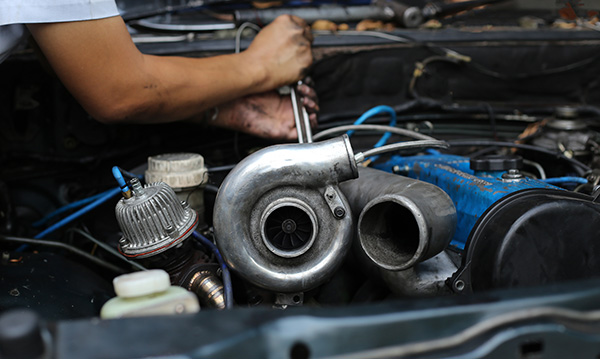
A turbocharged engine already has a radiator removing heat from the cooling system, so it is reasonable to wonder why another heat exchanger is needed. From the outside, the radiator and intercooler can even look similar, especially when both are mounted behind the front grille. They are cooling two different things. The radiator controls engine coolant temperature, while the intercooler removes heat from the compressed air traveling from the turbocharger toward the engine. A turbocharged engine needs both because controlling coolant temperature does not automatically keep the intake air cool. The Radiator Cools the Engine, Not the Intake Air Engine coolant circulates through passages in the engine, absorbing heat from the cylinder block and cylinder heads. The hot coolant then travels to the radiator, where airflow carries much of that heat away. That system protects the engine from overheating, but the intake air does not normally pass through the radiator. Even ... read more
Posted on 7/31/2026
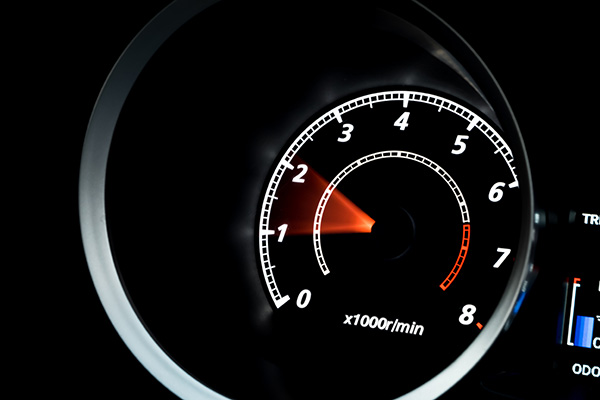
A car that shakes while stopped at a light may feel normal again as soon as you begin driving. That change often points toward a problem that is strongest at idle, when the engine is turning slowly and has less momentum to hide uneven operation. The vibration may come from the engine itself, worn mounts, the transmission, an electrical load, or a combination of smaller concerns. Paying attention to whether the shake changes in park, neutral, drive, or with the A/C on can help narrow down the source. Worn Engine Mounts Can Transfer More Vibration Engine mounts hold the engine in position while absorbing normal movement. Many mounts use rubber, and some contain hydraulic fluid to reduce vibration even further. Over time, heat, oil exposure, and constant engine movement can cause the rubber to crack, collapse, or separate. A worn mount often causes the strongest vibration while the vehicle is stopped in drive. The shake may lessen when the transmission is shifted into ... read more
Posted on 6/26/2026
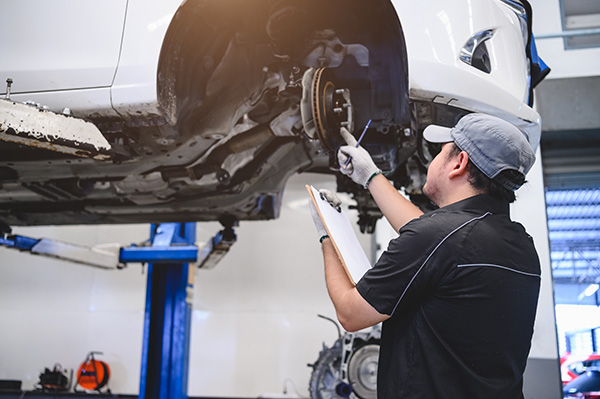
Brake noise can be confusing because not every sound means the same thing. At our shop, we talk with drivers all the time who are trying to decide whether a brake noise is just one of those harmless little quirks or something that needs attention right away. That is a fair question, because brakes can make noise for reasons that range from completely manageable to genuinely urgent. The important thing to understand is that brakes are not supposed to sound the same in every situation. Weather, moisture, pad material, heat, dust, and driving style can all influence what you hear. So yes, some brake noise can be considered normal. But some noises are your vehicle’s way of saying something is worn out, damaged, or no longer safe to ignore. The difference usually comes down to what the noise sounds like, when it happens, and whether it is getting worse over time. When Brake Noise Can Be Normal There are a few brake noises we consider fairly common and not automati ... read more
Posted on 5/29/2026

Hybrid cars can hide wear in quiet ways. The engine may not run continuously, the brakes may last longer than expected, and the battery system may seem fine until a dashboard warning appears. That quiet operation can make service feel less urgent. Hybrid vehicles still need fluids, filters, brakes, tires, cooling checks, battery checks, and electrical testing. The difference is that some problems show up differently than they would on a gas-only vehicle. Regular hybrid service helps catch those changes before they turn into expensive repairs. 1. Weak 12-Volt Battery Problems Many drivers think only about the large hybrid battery, but the smaller 12-volt battery is important too. It powers computers, modules, locks, lights, and startup electronics. When it gets weak, the symptoms can be confusing. You may see warning messages, strange electrical behavior, slow system wake-up, or a car that will not ready up correctly. The hybrid battery may be charged, but the vehi ... read more